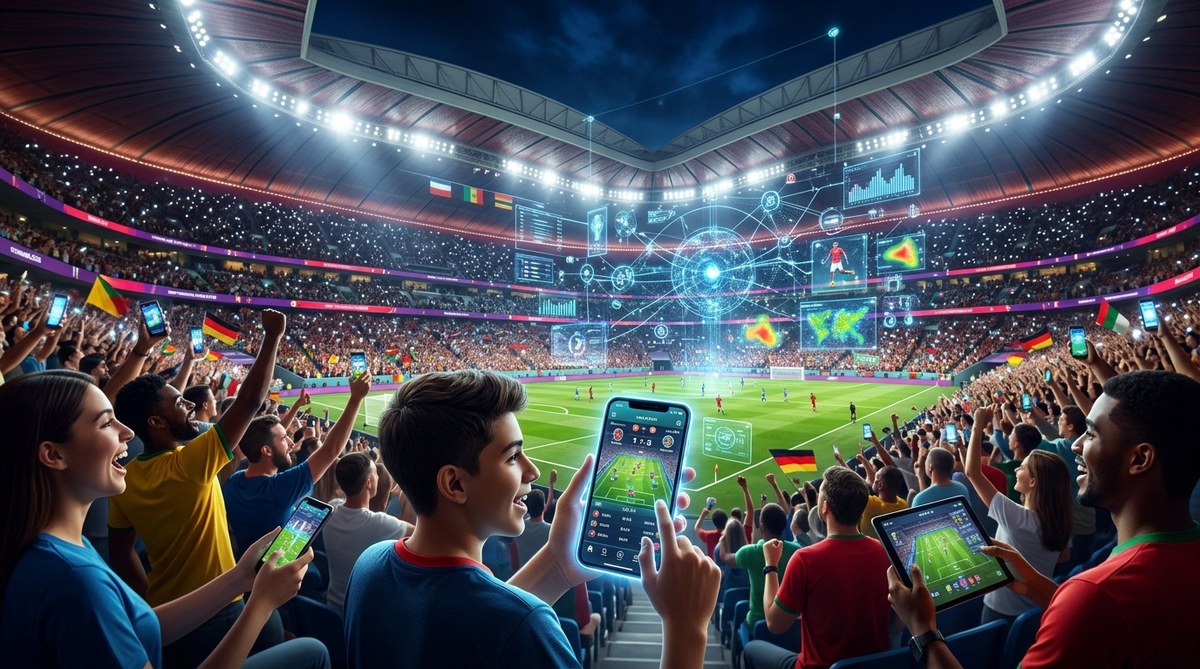
The 2026 FIFA World Cup is not just a bigger tournament. It is a technology laboratory for fan engagement. With 48 teams, 104 matches, and three host nations (USA, Canada, and Mexico), the scale of this event is unprecedented. For the first time, every fan in the stadium and every viewer at home will expect a personalized, interactive, and seamless digital experience. The pressure is on for brands and tech vendors to deliver something that feels less like a broadcast and more like a conversation.
The 2026 World Cup will be defined not by goals scored, but by connections made. Fan engagement technology has moved beyond second-screen apps. It now includes AI-driven personalization, augmented reality overlays, and real-time commerce. Brands that invest in these tools now will own the attention of a global audience.
The Three Pillars of Fan Engagement Tech in 2026
To understand where the opportunity lies, you need to break down the tech stack into three core layers. Each layer solves a different problem for the fan, and each creates a distinct revenue or loyalty pathway for your brand.
1. Hyper-Personalized Content Delivery
The era of one-size-fits-all match coverage is over. AI engines now analyze a fan’s viewing history, social media activity, and even their biometric data from wearables to serve a custom feed. A casual fan in Chicago might see a 30-second highlight reel of the best saves. A superfan in Mexico City gets a deep tactical breakdown of their team’s formation.
This shift requires a robust data infrastructure. Brands that partner with streaming platforms or stadium networks can serve targeted ads that feel like content. For example, a sports drink brand could send a hydration tip to a fan’s phone the moment the temperature hits 85 degrees in the stadium.
2. Augmented Reality and Spatial Computing
AR is no longer a gimmick. It is the primary way fans will interact with the game away from the pitch. The 2026 tournament will see widespread use of AR filters that let fans “try on” a player’s jersey or project a 3D goal replay onto their coffee table.
For marketers, this is a direct commerce channel. If a fan uses an AR filter to see how a scarf looks, they can buy it with one tap. This reduces friction between inspiration and purchase. Stadiums themselves will feature AR wayfinding. Fans will point their phone at a concession stand and see the wait time, menu, and a loyalty discount appear in real time.
3. Real-Time Social Commerce and Gamification
The line between watching and buying is vanishing. During a live match, platforms will allow fans to bet on the next corner kick, vote for the man of the match, or buy a limited-edition digital collectible. This is not just fun. It creates data signals that tell brands exactly what a fan values.
Gamification mechanics like leaderboards, badge collection, and prediction leagues keep fans engaged between matches. A brand that sponsors a prediction challenge gets daily impressions for the entire tournament, not just on game day.
A Practical Process for Building Your Fan Engagement Strategy
If you are a strategist at a sports brand or agency, here is a numbered process to help you structure your approach for the 2026 World Cup.
-
Audit your first-party data readiness. Can you identify a fan across devices? Do you have consent to use their location during a match? If not, start building that infrastructure now. The tournament will not wait for you.
-
Select one primary engagement layer. Do not try to do AR, AI, and gamification at once. Choose the channel that matches your brand strength. If you are a beverage company, focus on in-stadium AR. If you are a media platform, focus on personalized video.
-
Design a real-time feedback loop. Use a dashboard that tracks engagement metrics during live matches. If an AR filter has a 2% conversion rate, double your ad spend on it. If a gamification mechanic sees drop-off, kill it and test a new one within 15 minutes.
-
Partner with a tech vendor that supports open standards. Avoid platforms that lock you into their ecosystem. You want your fan data to be portable across the tournament and into your CRM for the next campaign.
Common Mistakes Brands Make with Fan Tech
Every major sporting event produces a list of brands that spent big and saw little return. Here is a table that clarifies the difference between effective and wasted efforts.
| Mistake | Why It Fails | Better Approach |
|---|---|---|
| Building a standalone app | Fans will not download another app. They have too many already. | Integrate your experience into existing platforms like TikTok, YouTube, or the official FIFA app. |
| Ignoring latency | If your AR overlay lags by three seconds, the moment is lost. | Use edge computing and CDNs to reduce latency to under 100 milliseconds. |
| Treating all fans the same | A fan in a stadium has different needs than a fan watching at home. | Segment your content by location, device, and behavior. |
| Overcomplicating the UX | If a fan needs a tutorial to use your feature, they will not use it. | Design for one-tap interaction. The best tech is invisible. |
What Experts Are Saying About the Shift
“The 2026 World Cup will be the first truly ‘phygital’ global event. The boundary between the physical stadium and the digital experience will disappear. Brands that understand that a fan’s phone is their second ticket will win.” – Maria Torres, Director of Digital Innovation at a major sports network.
This perspective is critical. The phone is not a distraction from the game. It is the game’s control panel. Every notification, every vibration, and every screen tap is a chance to deepen the relationship.
Key Technologies That Will Define the Tournament
Here is a bulleted list of the specific technologies you should watch closely.
- AI-Powered Camera Systems: Stadiums will use computer vision to track every player and generate automatic highlight reels for individual fans. If your favorite player makes a run, the AI clips it and sends it to your phone.
- Haptic Wearables: Some brands are testing jackets that vibrate in sync with the crowd noise or the bass of the goal horn. This creates a sensory connection for fans watching from home.
- Blockchain Ticketing and Collectibles: Digital tickets will be NFTs that also serve as loyalty cards. A fan who attends three matches gets a unique digital badge that unlocks exclusive content.
- 5G Private Networks: Stadiums will have their own 5G networks. This ensures that 80,000 people can stream 4K video, use AR, and place bets without a single buffer.
- Voice Assistants for Live Stats: Fans will ask their smart speaker for real-time stats without looking away from the screen. “Hey device, what is the conversion rate on set pieces for the US?” will be a common command.
How to Choose the Right Tech Vendor
Not all vendors are built for the scale of a World Cup. When evaluating partners, ask these questions.
- Can they handle 10 million concurrent users during a semi-final?
- Do they have experience with sports event latency requirements?
- Are their analytics tools compliant with US privacy laws like GDPR and CCPA?
- Can they integrate with your existing CRM or CDP without a six-month build?
For a deeper look at the broader trends shaping sports this year, check out our analysis of the top 10 emerging sports trends you need to watch in 2026. It covers how these fan engagement tools fit into the larger sports ecosystem.
The Role of AI in Predicting Fan Behavior
AI is not just for content personalization. It is also for prediction. Machine learning models can forecast which fans are likely to churn, which ones are ready to buy merchandise, and which ones are open to a sponsorship message. During the 2026 World Cup, this becomes a real-time game.
Imagine a fan who watches three matches in a row without engaging with any ad. The AI flags them as “low attention.” Instead of sending them a pop-up ad, the system sends them a trivia question about the match. If they answer correctly, they get a free wallpaper. This small interaction rebuilds engagement. The AI learns that this fan responds to gamification, not interruption.
Your Playbook for the Next 12 Months
The tournament is coming. Here is what you should do right now.
- Month 1-3: Conduct a data readiness audit. Map every touchpoint a fan has with your brand.
- Month 4-6: Run a small pilot with one AR or gamification feature at a local sports event. Measure everything.
- Month 7-9: Scale the pilot based on learnings. Secure your tech vendor partnerships.
- Month 10-12: Build your creative assets. Train your team on the real-time dashboard. Stress test your infrastructure.
Why This Moment Feels Different
Past World Cups had great technology. This one feels different because the technology is no longer optional. Fans expect it. They expect to be able to switch camera angles. They expect to buy a jersey during a goal celebration. They expect to see their name on the stadium screen if they win a prediction challenge.
If your brand cannot meet those expectations, another brand will. The 2026 FIFA World Cup fan engagement technology landscape is not about being first. It is about being present. It is about showing up in the moment that matters to the fan.
Your Next Step
Take one of the three pillars we discussed today. Pick the one that aligns with your brand’s strengths. Start building a prototype. Test it with a small group of fans. Learn from their behavior. Then scale it for the biggest stage in sports. The fans are ready. The technology is ready. The only question is whether your strategy is ready.
For more insights on how technology is changing the way we interact with sports, read our piece on how technology is revolutionizing athlete training and performance. It connects the dots between what happens on the field and what happens on the screen.