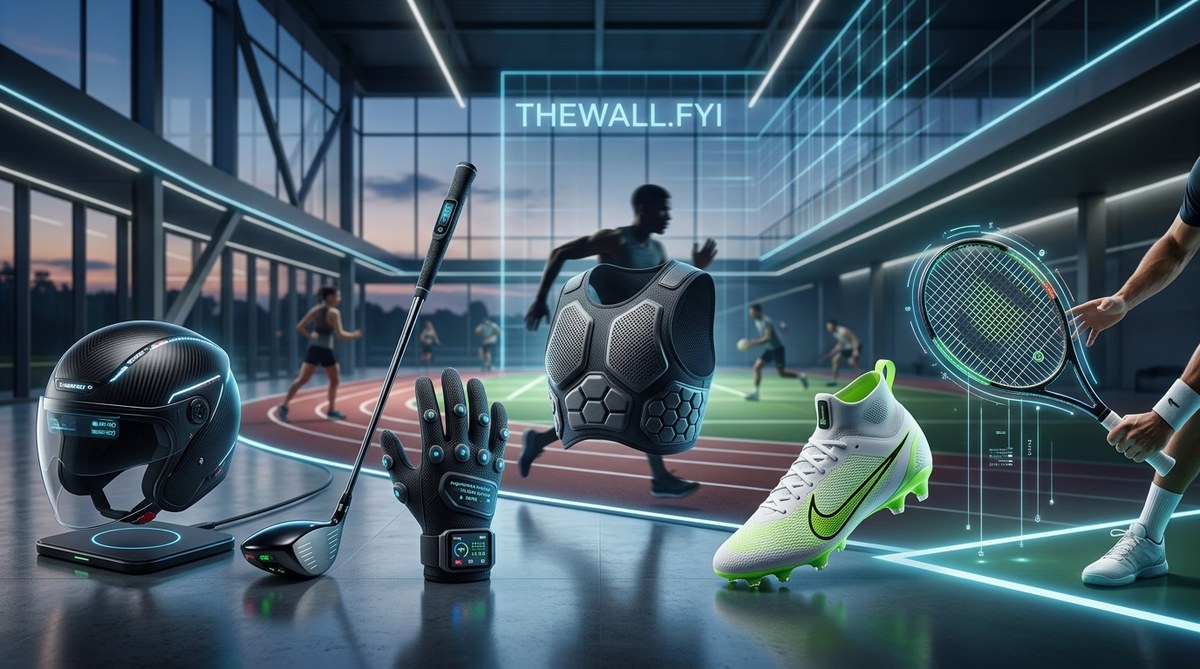
The gear you used last season might already feel outdated. 2026 has arrived, and it brings a wave of sports equipment innovations that blur the line between science fiction and your weekend workout. Whether you are a professional athlete, a dedicated coach, or someone who just loves to stay active, the new tools hitting the market are designed to make you faster, safer, and more connected to your sport than ever before.
Sports equipment in 2026 is defined by three major shifts. Artificial intelligence now provides real-time coaching feedback. Smart materials adapt to your body and environment. There is also a strong focus on injury prevention through predictive analytics. These innovations are not just for elite athletes. They are becoming more accessible to everyday players at all levels. This helps everyone train smarter, recover faster, and enjoy their sport for years to come. The gear itself is becoming a connected partner in your fitness journey.
The Rise of Truly Smart Clothing
For years, “smart clothing” meant a pocket for your phone or a basic heart rate strap. That changes completely in 2026. New textile manufacturing techniques have allowed sensor threads to be woven directly into the fabric. You cannot feel them, but they are constantly reading your body.
Compression shirts now track muscle activation. Shorts monitor hamstring strain in real time. Socks analyze your gait and foot strike patterns. All of this data feeds into a single app on your phone. Coaches no longer need to rely on video review alone. They can see which muscles are firing during a play and which ones are lagging behind.
This shift is central to how technology is revolutionizing athlete training and performance. The clothing you wear to practice is now your most valuable training partner.
AI-Powered Coaching That Fits in Your Bag
The most exciting sports equipment innovations in 2026 center on artificial intelligence. You no longer need a large studio or expensive camera rig to get professional feedback. Portable AI units are now the size of a water bottle.
Set one down on the sideline. It uses computer vision to track every movement. It analyzes your form, speed, and decision making. Then it gives you spoken feedback through a connected earpiece. It is like having a personal coach watching every rep.
Key Benefits of AI Coaching Devices
- Instant analysis of swing mechanics and throwing motion.
- Voice prompts that correct your posture during the set.
- Comparison of your current form to your personal best.
- No monthly subscription fees for basic analysis.
For a deeper look at how these tools are evolving, read more about the future of sports technology.
Smarter Materials for Safety and Performance
Material science has given us a gift in 2026. Adaptive equipment is now standard across multiple sports.
Helmets are adjusting their padding density on impact. A harder hit triggers a stiffer response from the material. A light bump stays soft. This means better protection without sacrificing comfort during normal play.
Shoes are also getting the adaptive treatment. Insoles now contain a polymer gel that hardens during explosive movements and softens during rest. This improves energy return when you need it most and supports recovery when you are standing still.
| Feature | Traditional Method (2023-2025) | 2026 Innovation |
|---|---|---|
| Impact Protection | Static foam padding | Adaptive polymer that stiffens on impact |
| Fit Customization | Standard sizes based on length | 3D body scanning with custom molding |
| Injury Tracking | Post-game reporting | Real-time biomarker alerts via fabric sensors |
| Energy Return | Basic foam compression | Smart gel that stores and releases kinetic energy |
Prediction Tools That Keep You on the Field
Injury prevention is the biggest priority for any serious athlete. The sports equipment innovations of 2026 make prevention a data driven science.
Wearable patches now monitor lactate levels, hydration status, and core temperature. When the system detects a dangerous pattern, it sends a warning before you push past your limit. This prevents soft tissue injuries caused by fatigue.
Coaches are using this data to manage workload across an entire team. A player who shows high fatigue markers gets a modified practice schedule. This keeps stars healthy for game day.
“The biggest shift we see in 2026 is the move from passive gear to active intelligence,” says Dr. Elena Rossi, a sports biomechanics specialist. “Your equipment is no longer just a tool. It is a teammate that learns your habits and helps you correct them in real time.”
If you are concerned about staying healthy during your season, read our guide on how wearable tech is helping athletes avoid injuries.
Virtual Reality That Feels Like Real Practice
Virtual reality training has been around for a few years. But in 2026, the equipment has caught up to the software. Haptic feedback suits are now lightweight enough to wear during dynamic movement.
You can now practice game scenarios without stepping onto a field. The suit simulates the feeling of contact. The headset tracks your head and eye movement. You react to virtual defenders as if they were real.
This is a game changer for skill development. You can get twice the reps without the wear and tear on your joints. Quarterbacks can read defenses. Soccer players can practice penalty kicks. All from a small indoor space.
3 Steps to Integrate 2026 Gear Into Your Routine
- Identify your biggest need. Do you lack reps? Need better form feedback? Want to avoid injury? Pick one area first.
- Choose one high-impact device. A smart shirt or an AI coach. Do not buy everything at once.
- Commit to 10 sessions. Learning to trust the data takes time. Give yourself a trial period before judging the results.
Sustainability Meets Durability
Another major trend in sports equipment innovations for 2026 is eco-conscious manufacturing. Athletes are demanding gear that lasts longer and wastes less.
Brands are now using algae based foams for cushioning. They are crafting uppers from recycled ocean plastics without sacrificing breathability or weight. The best part? These materials perform better in wet conditions than their petroleum based predecessors.
This is not just a marketing angle. The durability of these new materials is impressive. Many companies are offering lifetime warranties on products that used to wear out in a season.
For a broader view of where athletics is headed, check out the top 10 emerging sports trends you need to watch in 2026.
Your Next Move in the 2026 Gear Landscape
It can feel overwhelming to keep up with every new product launch. The good news is that you do not need to adopt everything at once.
Start with one piece of gear that addresses your biggest frustration. If you keep getting injured, invest in a smart wearable that tracks fatigue. If your technique is plateauing, try a portable AI coach. If you just want more comfort, look for adaptive footwear or clothing.
The goal of these sports equipment innovations is not to replace your talent or hard work. They are tools that help you make the most of every minute you spend training. 2026 is the year your gear finally starts working as hard as you do. Choose your upgrade wisely and enjoy the edge it gives you.
Looking to build your training plan around your new gear? Learn how to build a personalized training plan that adapts to your body’s signals.