You have been training for weeks. You know your plays, your routes, your routines. But when the alarm goes off on game day, something shifts. The pressure arrives. The nerves creep in. Suddenly, the simple act of getting from your front door to the field feels like a minefield of forgotten gear, bad nutrition, and mental fog. It does not have to be that way.
The difference between a good performance and a great one often comes down to how you prepare in the hours before kickoff. Professional athletes treat game day like a science. They have systems for everything from what they eat to how they warm up their minds. You can borrow those systems. With a few intentional changes, you can walk onto the court, pitch, or track feeling sharp, confident, and fully ready to compete.
Game day preparation is not just about showing up early. It is a repeatable process that covers logistics, gear, fuel, and mindset. By planning the night before, sticking to a nutrition schedule, and using mental activation techniques, you remove uncertainty and unlock your best performance. Start small, build the habit, and watch your consistency improve.
Build Your Pre Game Command Center the Night Before
The single biggest mistake most athletes make is trying to handle everything on game day morning. You are already thinking about the opponent, the weather, your role. Do not add a frantic search for your lucky socks to that list.
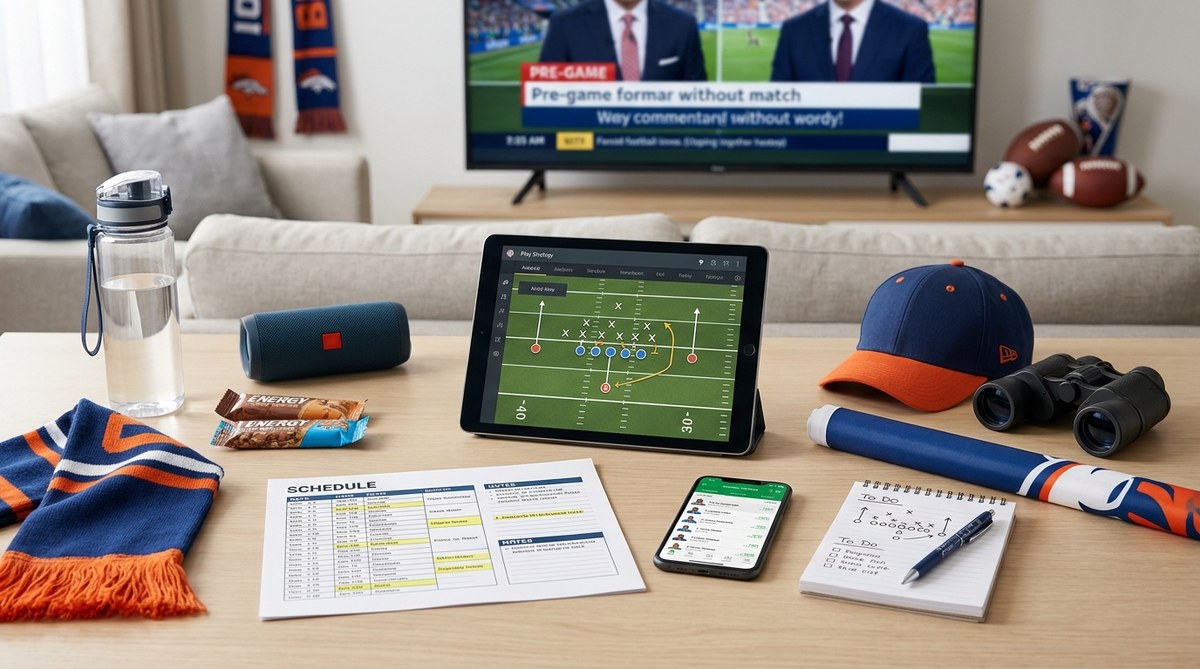
Set aside 15 minutes the evening before. This is your command center moment. You check, confirm, and pack everything you need. Here is a three step process that works across sports, from basketball to triathlon to esports.
-
Lay out your complete uniform and gear. Start with what goes on your body. Jersey, shorts, compression layers, socks, shoes, and any protective equipment. Place it all in one spot. For footwear, check the laces and tread. For helmets or pads, inspect straps and padding.
-
Assemble your support items. This includes towels, water bottles, snacks (see the nutrition section below), tape, extra laces, a small first aid kit, and any personal items like a playlist or a journal. Put them in a dedicated bag that you will grab on the way out.
-
Confirm your logistics. Charge your phone and any wearable tech. Set two alarms. Know your arrival time, including a 15 minute buffer for traffic or parking. Write down or pin the venue address. If you are meeting a team, confirm the meeting spot and time.
This nightly ritual does more than save you time. It clears mental clutter. You go to sleep knowing everything is handled. That peace of mind alone is a performance booster.
Fueling for Peak Output
What you eat and drink on game day directly impacts your energy, focus, and recovery. But the window for smart nutrition is narrower than most people think. You cannot scarf down a burrito thirty minutes before tip off and expect to feel light on your feet.
A Simple Game Day Eating Timeline
| Time Before Event | What to Consume | Why It Matters |
|---|---|---|
| 3 to 4 hours | Balanced meal with carbs, lean protein, and a little fat (e.g., oatmeal with eggs, rice with chicken, a whole grain wrap) | This meal tops off glycogen stores and provides sustained energy without digestive weight. |
| 60 to 90 minutes | Small snack like a banana, a slice of toast with peanut butter, or an energy bar | Gives a final carb boost without causing stomach issues during warm ups. |
| 15 to 30 minutes | Water only (or an electrolyte drink if you sweat heavily) | Hydration is key; avoid heavy liquids or sugary drinks that can cause a crash. |
| Immediately after | Protein and carbs within 30 minutes (chocolate milk, a protein shake, or a turkey sandwich) | Starts the recovery process and replenishes what you burned. |
Stay away from high fiber foods, greasy options, and unfamiliar meals on game day. Stick to what your body knows.
Hydration Is Not Just Water
You lose more than fluid when you sweat. Sodium, potassium, and magnesium drop too. Use an electrolyte tablet in your water bottle during the hour before the game. Sip, do not chug. Your kidneys can only process about one liter per hour, and overhydrating can lead to cramping or worse.
For a deeper look at how modern athletes are optimizing their diets, check out how nutrition science is redefining peak performance for 2026 athletes.
The Gear Checklist That Covers Your Bases
You know your primary equipment. But what about the small items that can ruin your day if you forget them? Build a master checklist. Keep it on your phone or printed in your bag. Here are the categories most athletes overlook.
- Footwear. Extra laces, insoles, and a small shoe bag to keep them dry.
- Clothing backups. An extra shirt, socks, and a light jacket for pre game or post game.
- Hygiene and comfort. Deodorant, a small towel, lip balm, and a hair tie or headband.
- Tech. Charged headphones, a portable battery pack, and your wearable device.
- Medical. Athletic tape, blister bandages, pain relief cream, and any personal medication like an inhaler or antihistamine.
Review this list once a month. Swap out seasonal items. If you play outdoor sports in the winter, add hand warmers. For summer, add a cooling towel and extra sunscreen.
Tame Your Mind Before the Whistle Blows
Physical preparation gets most of the attention. But elite performers know that mental readiness is just as important. Panic, self doubt, and distraction can unravel the most skilled athlete.
A 10 Minute Mental Activation Routine
Sit quietly in a spot away from the crowd. Close your eyes. Walk through the first three minutes of the game in your head. Picture the opening play. See yourself making the right move. Feel the rhythm of your breath.
This is not visualization fluff. It is pre activation. By rehearsing success, your brain builds neural pathways that mimic the real action. Studies show that mental rehearsal can improve performance almost as much as physical practice for certain motor skills.
If you want to develop a stronger mental edge, read about mental resilience training is the new frontier in athletic performance.
Handle Nerves Like a Pro
Nervous energy is not your enemy. It is your body getting ready to perform. The problem comes when you label it as fear. Reframe it. Tell yourself, “I am excited. My heart is beating because I am ready.” Then channel that energy into your warm up. Move. Jump. Bounce on your toes. Let the adrenaline work for you.
“The athletes who win are the ones who stop fighting their nerves and start using them. Adrenaline is fuel. Learn to steer it instead of being controlled by it.” — Coach Marissa Holt, sports psychologist and former Division I basketball coach
Common Mistakes That Kill Your Edge
Even experienced players stumble on game day. Here is a quick table of frequent errors and the pro level fix.
| Mistake | Why It Hurts | The Pro Fix |
|---|---|---|
| Eating too close to game time | Digestion diverts blood flow from muscles, leading to sluggishness and cramps | Eat your last real meal 3 hours before, and only a small snack after that. |
| Over warming up | Exhaustion before the game starts; peaking too early | Keep the warm up to 15 to 20 minutes. Focus on dynamic stretching and sport specific movements. |
| Relying on game day “luck” | Leaves performance to chance; no control over variables | Write down a simple script. Arrive. Check gear. Eat. Warm up. Activate mentally. Follow it every time. |
| Ignoring the environment | Sun glare, wind, cold, or altitude affect performance | Check the forecast the night before. Adjust clothing, hydration, and warm up accordingly. |
| Forgetting to taper mental focus | Distractions from phones, conversations, or social media drain energy | Set a “focus zone” time. 30 minutes before start, put your phone away and stop chatting. Just breathe. |
Adapt Your Routine for Different Types of Events
A Saturday morning 5K requires a different prep than a Friday night baseball game or a weekend esports tournament. The principles stay the same, but the details shift.
- For endurance events. Prioritize carb loading two days out. On game day, keep the meal light but high in carbs. Hydrate aggressively. Arrive at least 90 minutes early to handle registration, bathroom lines, and a proper warm up jog.
- For team sports. Communication is a key variable. Confirm the team meeting time, jersey color, and any last minute strategy changes. Pack extra socks and a spare jersey just in case someone forgets theirs.
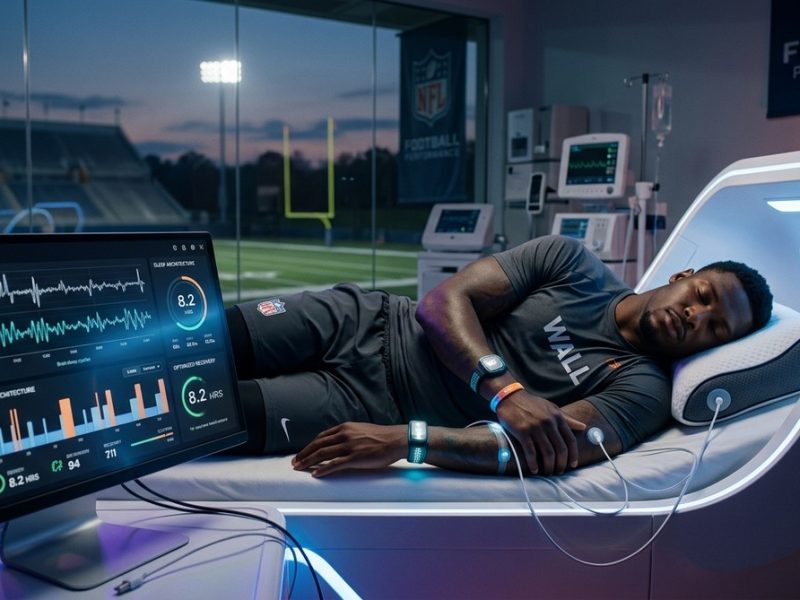
- For esports or virtual competitions. Physical preparation still matters. Sleep quality directly affects reaction time and decision making. Set your hardware the night before. Check updates and connectivity. Keep a water bottle and a small snack at your station. Eyestrain is real: follow the 20 20 20 rule (every 20 minutes, look at something 20 feet away for 20 seconds).
For more on how the competitive landscape is evolving, see the rise of virtual sports and esports: what fans need to know.
Pulling It All Together into a Repeatable System
You do not need to overhaul your life overnight. Choose one or two areas from this guide and experiment. Try the night before gear check this week. Add the eating timeline next week. Test the mental activation routine the week after.
Track what works on a simple note in your phone. Over time, you will build a personalized game day system that feels automatic. That is the ultimate goal. When the pressure hits, you do not think. You just execute the routine you have practiced.
The pros do not leave anything to chance. And neither should you. Start tonight. Lay out your gear. Plan your morning. Then walk into your next game day with the quiet confidence that comes from being fully prepared.