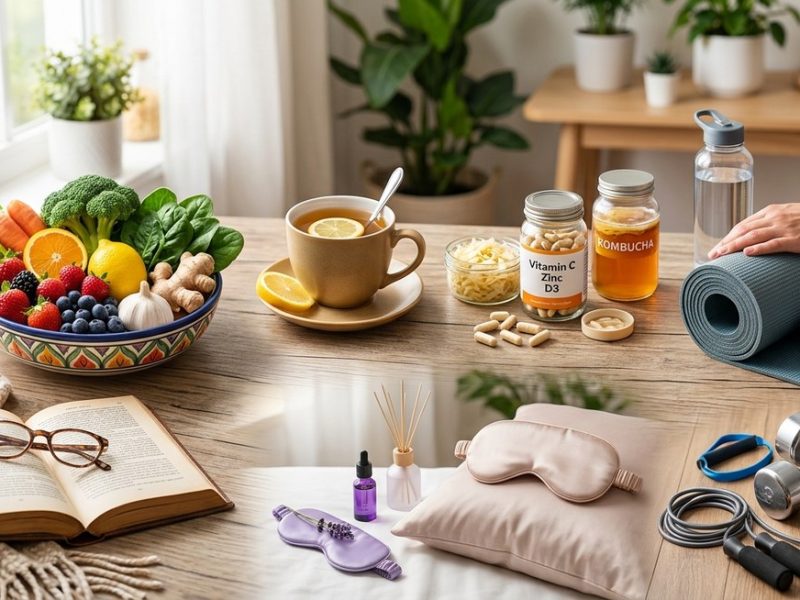
Taking charge of your daily routines can have a profound impact on your overall well-being. Small, consistent habits not only improve your health but also boost your mood, energy, and resilience. Incorporating these easy practices into your life can make a lasting difference without feeling overwhelming. Whether you’re looking to reduce stress or simply feel better each day, the right habits are within your reach.
Adopting a handful of simple, healthy habits each day can significantly improve your mental and physical well-being. Focus on consistent routines like hydration, movement, and mindfulness to create a positive, lasting impact on your life.
Cultivate habits that support your mental health
Mental wellness is a cornerstone of overall well-being. Simple practices like starting your day with gratitude or taking regular breaks to breathe deeply can reduce stress and sharpen your focus. Making mindfulness a daily routine helps you stay present and resilient, even during hectic times. These habits foster a calmer mind and a more positive outlook.
Practice mindfulness and gratitude daily
Taking a few moments each morning to reflect on what you’re grateful for can set a positive tone for the entire day. Mindfulness exercises, such as deep breathing or meditation, help clear your mind and reduce anxiety. These practices are easy to incorporate and require only a few minutes but yield long-term mental benefits.
Limit multitasking and take regular mental breaks
Multitasking can drain your mental energy and lower productivity. Instead, focus on one task at a time and pause briefly between activities. Short mental breaks, even just a few deep breaths, refresh your mind and improve concentration. This simple shift can make your day more manageable and less stressful.
Prioritize physical activity in your routine
Moving your body regularly is one of the most effective ways to boost your overall health. It doesn’t mean you need intense workouts every day. Small, consistent steps like walking, stretching, or dancing can make a big difference in your energy levels and mood.
Incorporate movement into your day
- Take short walks during breaks
- Stretch for a few minutes in the morning
- Use stairs instead of elevators
- Try a quick online workout or yoga session
Keep it enjoyable
Choose activities you genuinely enjoy. Whether it’s gardening, cycling, or dancing in your living room, making movement fun increases the likelihood you’ll stick with it long term.
Develop healthy eating habits that nourish your body
What you eat directly impacts your mental clarity and physical health. Focusing on balanced, nutrient-dense foods gives you sustained energy and supports your immune system.
Practical tips for better nutrition
- Fill half your plate with vegetables and fruits
- Choose whole grains over refined grains
- Incorporate lean proteins like fish, beans, or poultry
- Limit processed foods and added sugars
- Drink water regularly to stay hydrated
Avoid common pitfalls
- Skipping meals leads to overeating later
- Relying on caffeine or sugary snacks for energy can cause crashes
- Eating late at night may disrupt sleep
Establish consistent sleep routines
Quality sleep is essential for mental sharpness and physical recovery. Creating a calming pre-sleep routine and sticking to regular bedtimes can improve your sleep quality.
Tips for better sleep
- Set a fixed bedtime and wake-up time
- Avoid screens at least an hour before bed
- Keep your bedroom dark, cool, and quiet
- Limit caffeine and heavy meals in the evening
Recognize sleep signals
Feeling sleepy and relaxed indicates your body is ready for rest. Prioritize sleep even if your schedule is busy; it’s a vital component of well-being.
Practice simple techniques to manage stress
Stress can undermine your health if left unmanaged. Incorporating relaxation techniques into your day can keep stress levels in check.
Effective stress management strategies
- Deep breathing exercises
- Progressive muscle relaxation
- Listening to calming music
- Journaling thoughts and feelings
“Consistent stress management is one of the most effective ways to safeguard your mental health and improve your overall quality of life,” shares wellness expert Dr. Lisa Miller.
Recognize stress triggers
Identify situations or habits that increase stress and develop healthy responses. For instance, taking a walk when overwhelmed or practicing mindfulness during busy days.
Build social connections and community
Humans thrive on connection. Engaging with friends, family, or community groups boosts mood and provides emotional support.
Ways to strengthen your social bonds
- Schedule regular catch-ups
- Join clubs or hobby groups
- Volunteer for causes you care about
- Practice active listening and empathy
Benefits of social support
Having a strong social network reduces feelings of loneliness, increases resilience, and can even improve physical health.
Keep your mind and body engaged
Mental and physical stimulation are key to maintaining vitality as you age. Learning new skills or hobbies keeps your brain active and your days fulfilling.
Ideas for ongoing engagement
- Pick up a new hobby such as painting or cooking
- Read books or listen to podcasts
- Play games that challenge your mind
- Attend workshops or classes
Stay curious
Remaining open to new experiences promotes lifelong learning and keeps your spirit lively.
Make hydration and sunlight a daily goal
Simple habits like drinking enough water and getting sunlight can significantly enhance your well-being.
Hydration tips
- Aim for at least eight glasses a day
- Keep a water bottle handy
- Flavor water with slices of fruit if you dislike plain water
Sunlight benefits
- Boosts vitamin D production
- Improves mood
- Regulates sleep patterns
Aim for 15 to 20 minutes of sunlight daily, when possible.
Techniques and mistakes table
| Technique | What to do | Common mistake |
|---|---|---|
| Hydration | Drink water regularly throughout the day | Drinking too little or too much at once |
| Movement | Incorporate daily activity you enjoy | Relying solely on intense workouts |
| Sleep | Maintain a consistent sleep routine | Using screens before bed |
| Mindfulness | Practice daily gratitude or meditation | Being inconsistent with practice |
| Social bonds | Connect regularly with loved ones | Neglecting relationships during busy times |
Simple expert advice to keep you motivated
“Consistency is more important than intensity. Small, steady habits build a healthier life over time,” advises health coach Mark Stevens.
A final nudge towards a healthier you
Building a healthier lifestyle doesn’t require drastic changes. Focus on the habits that resonate with you and fit into your daily routine. Small steps, taken consistently, create a foundation for long-term well-being. Remember, every positive choice adds up. Start today, and watch how your life transforms one habit at a time.