Electric vehicles are on the brink of a major leap forward as we approach 2026. Every year brings new innovations, expanded market options, and technological breakthroughs that reshape how we drive, commute, and think about transportation. For automotive enthusiasts, industry analysts, and consumers alike, understanding what the future holds is essential. This upcoming year promises exciting developments that will influence the market for years to come.
The future of electric vehicles in 2026 is marked by faster charging, longer ranges, more affordable options, and innovative designs. Expect a wave of new models across all segments, driven by advancements in battery tech and market demand. Staying informed on these trends helps consumers and industry insiders alike prepare for a more electrified future that’s increasingly accessible and sustainable.
A Surge in Battery Technology and Charging Infrastructure
Battery technology remains the cornerstone of EV progress. In 2026, expect significant improvements in energy density, which means longer driving ranges without increasing battery size or weight. Manufacturers are pushing for batteries that last longer, charge faster, and cost less. Solid-state batteries, which promise to be safer and more efficient, are anticipated to enter mainstream production soon.
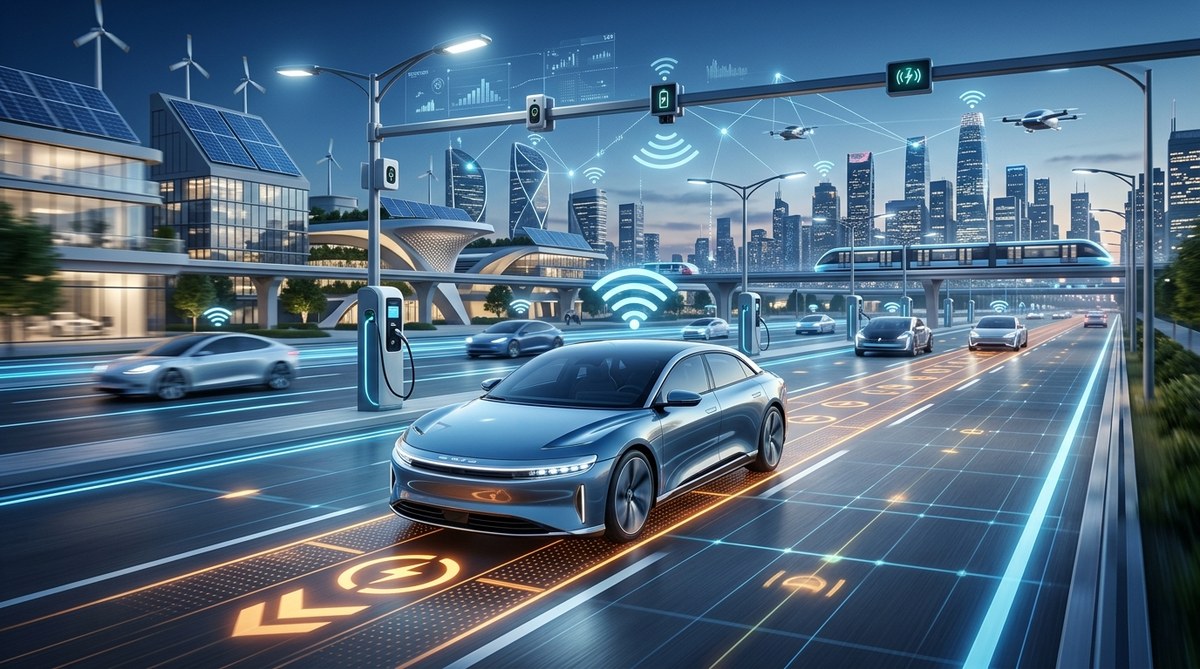
Charging infrastructure is also expanding rapidly. Fast chargers are becoming more widespread, reducing charging times from 30 minutes to under 15 in many cases. Additionally, innovations like wireless charging and ultra-rapid chargers are making EVs more convenient for daily use. Governments and private companies are investing heavily in charging networks, aiming for seamless, accessible charging options in urban and rural areas alike.
Practical steps for consumers to prepare:
- Research upcoming EV models with longer ranges and faster charging capabilities.
- Identify local charging stations and plan routes accordingly.
- Consider home charging solutions that can be upgraded as technology advances.
New Models and Market Expansion in 2026
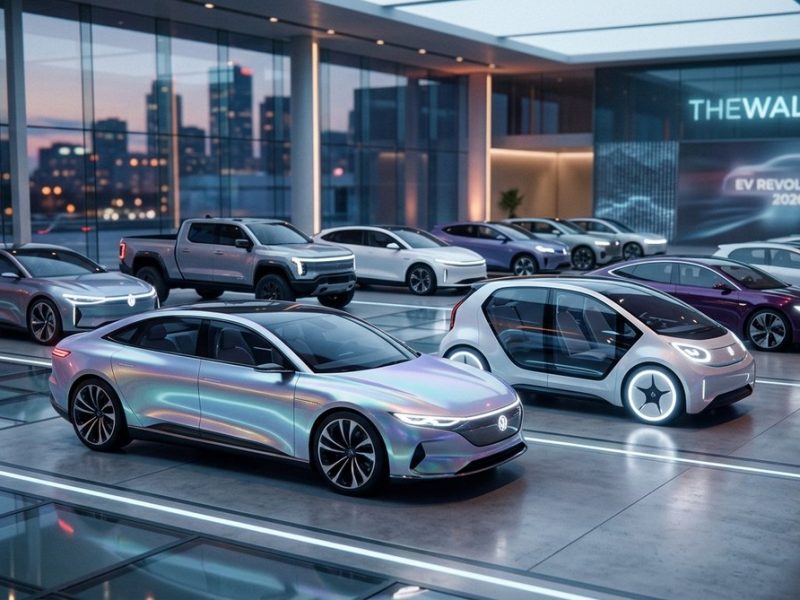
Automakers are rolling out a variety of new electric models across all segments, from compact city cars to luxury SUVs and commercial trucks. The focus is on affordability, utility, and style. Entry-level electric crossovers are expected to hit the market, making EV ownership more accessible.
Luxury brands are also pushing the envelope with high-performance electric vehicles that feature cutting-edge technology. For instance, brands like Mercedes-Benz, BMW, and Audi plan to release models with enhanced driving dynamics, premium interiors, and advanced driver-assistance systems.
Key models to watch include:
- compact EVs aimed at urban drivers
- family-friendly SUVs with increased cargo capacity
- electric trucks designed for work and recreation
- luxury sedans with tech-packed interiors
This diversification means more options for consumers and a greater chance for EVs to replace internal combustion engines in everyday life.
Focus on Sustainability and Market Accessibility
As the EV market grows, sustainability remains a top priority. Automakers are working to source more ethically produced materials and improve recycling methods for batteries. This reduces environmental impact and addresses consumer concerns about sustainability.
Price points are also shifting downward. Economies of scale, improved manufacturing processes, and technological advances are making EVs more affordable. By 2026, many models could be priced within reach of average consumers, encouraging wider adoption.
Tips for buyers:
- Keep an eye on incentives and subsidies that can reduce EV purchase costs.
- Compare total cost of ownership, including charging and maintenance, to traditional vehicles.
- Consider certified pre-owned EVs for budget-friendly options.
Emerging Technologies That Will Reshape Driving
The future of electric vehicles in 2026 isn’t just about batteries and models. Several innovative technologies are poised to transform the driving experience:
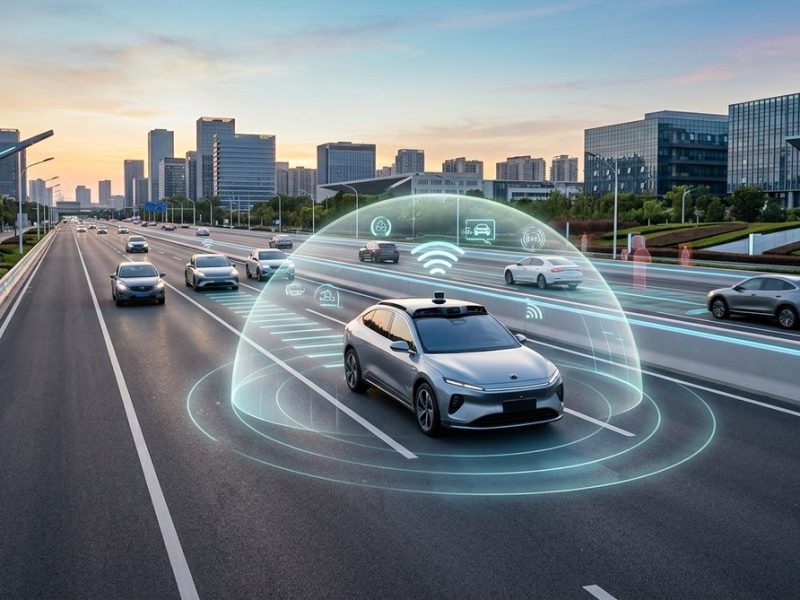
- Autonomous driving: Enhanced driver-assistance systems will push closer to full autonomy, making driving safer and more convenient.
- Vehicle-to-grid systems: EVs will serve as mobile energy storage, feeding power back into the grid during peak demand.
- Connectivity and AI integrations: Smarter, more connected vehicles will offer personalized experiences, predictive maintenance, and seamless integration with smart homes.
“The combination of autonomous tech and improved battery systems will redefine mobility in the coming years,” says industry analyst Jane Doe. “2026 will be a pivotal year for making electric driving more intuitive and integrated into daily life.”
How to make the most of these advancements:
- Stay updated on software updates for your EV.
- Explore vehicle-to-grid compatibility options.
- Choose models with advanced driver-assistance features.
Market Trends and Consumer Preferences
The shift toward electric vehicles is also influenced by changing consumer preferences. Younger buyers prioritize technology, sustainability, and cost efficiency. As a result, automakers are tailoring their offerings to meet these demands with sleek designs, innovative features, and competitive pricing.
Global markets are experiencing different growth rates, with regions like Europe and China leading the charge due to supportive policies. In the United States, state incentives and expanding charging infrastructure are boosting consumer confidence.
Scanning points for enthusiasts:
- EV adoption rates are soaring worldwide.
- More affordable models are becoming available.
- Tech features like augmented reality dashboards and voice controls are becoming standard.
Challenges and Opportunities Ahead
While 2026 promises a bright future for electric vehicles, challenges remain. Supply chain disruptions, raw material shortages, and the need for widespread charging infrastructure are hurdles to overcome. However, these obstacles also present opportunities for innovation and collaboration.
Automakers are investing in sustainable battery sourcing and recycling. Governments are setting ambitious targets for EV adoption, pushing industry players to innovate rapidly. Consumers benefit from a broader selection of models and better technology.
Techniques and pitfalls table
| Technique | Mistake to Avoid |
|---|---|
| Investing in home chargers | Overlooking compatibility with your vehicle |
| Researching EV incentives | Ignoring regional policies and rebates |
| Monitoring battery tech updates | Relying solely on current models without future-proofing |
How to Stay Ahead of the Curve
- Follow industry news and attend auto shows to view upcoming models.
- Test drive new EVs to understand their features firsthand.
- Keep track of technological advancements like solid-state batteries and charging innovations.
The Road to 2026 and Beyond
The upcoming year is shaping up to be a milestone for electric vehicles. Expect faster charging, longer ranges, and more affordable options that make EVs a practical choice for many. As technology continues to evolve, the driving experience will become safer, smarter, and more sustainable.
By staying informed and considering future innovations, you can be ready for a world where electric vehicles are a dominant force on the roads. Whether you are a passionate car lover or a cautious buyer, 2026 will bring exciting opportunities to embrace cleaner, smarter transportation.
Embracing the Electric Future
The future of electric vehicles in 2026 promises a shift towards more efficient, accessible, and innovative transportation solutions. With continuous improvements in battery tech, expanding charging networks, and a diverse lineup of models, the EV landscape is set to grow significantly. Planning ahead, staying updated on emerging trends, and considering your personal needs will help you make the most of this electrified era.
Now is a great time to start exploring your options and imagining what driving will look like in 2026. The roads ahead are electric, and they’re leading to a cleaner, smarter, and more connected future.