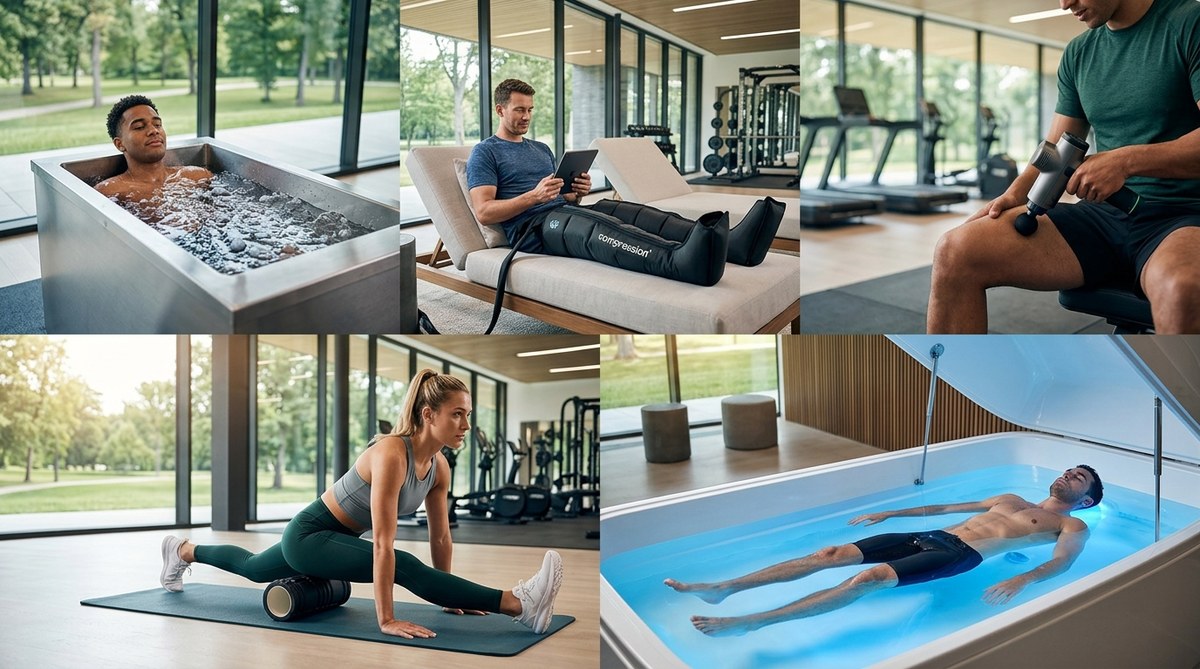
You train hard. You push your limits. You chase new personal records. But the secret to getting better isn’t just grinding through more reps or miles. Real progress happens when you stop. Recovery techniques for athletes have become as important as the workout itself in 2026.
Pro athletes and coaches now treat rest days with the same respect as game days. Science shows that your body rebuilds and grows stronger during downtime, not during the workout. If you neglect recovery, you risk injury, burnout, and stagnant performance. The good news is that you don’t need a full sports science lab to recover like an elite competitor.
Effective recovery is not a luxury for serious athletes. It is a necessity. In 2026, the best performers prioritize sleep, active recovery, strategic nutrition, cold water immersion, and mental decompression. Each technique targets a different aspect of the repair process. By mixing these methods into your routine, you can reduce soreness, prevent overtraining, and reach new heights in your sport.
Why Recovery Matters More Than Ever
Modern sports science has shifted the conversation. Recovery is no longer a passive break. It is an active part of training. Your muscles need time to repair microtears. Your nervous system needs to reset. Your energy stores need to refill. Without proper recovery, you accumulate fatigue. That leads to poor form, slower times, and higher injury rates.
In 2026, wearable devices and apps track sleep quality, heart rate variability, and muscle readiness. These tools give you data on when to push and when to rest. But you don’t need a high tech gadget to use the five techniques below. Start with the basics and build from there.
1. Sleep Optimization
Sleep is the single most powerful recovery technique for athletes. During deep sleep, your body releases growth hormone, which repairs tissues and builds muscle. Your brain also clears out metabolic waste, improving focus and reaction time.
The goal: Get seven to nine hours of quality sleep most nights.
Practical steps to improve your sleep:
- Set a consistent bedtime and wake time, even on weekends.
- Keep your bedroom cool, around 65 to 68 degrees Fahrenheit.
- Limit screens an hour before bed. Blue light blocks melatonin.
- Avoid caffeine after 2 p.m. and heavy meals within two hours of sleeping.
- Use blackout curtains or a sleep mask.
Many athletes underestimate sleep. They think they can function on six hours. But research shows that even one hour less can drop performance by 10 to 15 percent. For more detailed advice, check out our expert tips for restorative nights.
2. Active Recovery
Active recovery means low intensity movement on rest days. It keeps blood flowing and helps flush lactic acid from your muscles. You are not trying to break a sweat. You are simply moving your body to speed up repair.
Examples of active recovery activities:
- Walking or light jogging
- Cycling at a relaxed pace
- Swimming or water jogging
- Yoga or gentle stretching
- Foam rolling
A good rule of thumb is to keep your heart rate under 120 beats per minute during active recovery. Listen to your body. If you feel pain or extreme fatigue, switch to complete rest.
3. Nutrition and Hydration
What you eat and drink after exercise directly affects how well you recover. Your muscles need protein to rebuild, carbohydrates to restock glycogen, and fluids to restore hydration.
A simple post workout nutrition plan:
| Timing | What to consume |
|---|---|
| Within 30 minutes | 20 to 30 grams of protein (whey, plant based, or whole food) plus 40 to 60 grams of carbs |
| 2 to 4 hours later | A balanced meal with lean protein, vegetables, healthy fats |
| Throughout the day | Water and electrolytes. Aim for half your body weight in ounces of water |
Avoid the common mistake of skipping the post workout window. Many athletes rely on supplements alone, but whole foods provide better nutrient synergy. For busy schedules, a shake can work, but try to include real ingredients like Greek yogurt, berries, and oats.
Also, remember that hydration isn’t just about water. Sodium, potassium, and magnesium are key. Sports drinks can help, but plain water with a pinch of salt and a splash of lemon works too.
4. Cold Water Immersion
Cold water immersion, or ice baths, have been used for decades, but 2026 brings new insights. Short dips (10 to 15 minutes) in water between 50 and 59 degrees Fahrenheit can reduce inflammation and muscle soreness after intense sessions.
How to do it safely:
- Fill a tub or use a portable cold plunge.
- Start with 5 minutes and gradually increase to 15.
- Never go in alone if you have heart issues. Check with a doctor first.
- Warm up naturally afterwards with light movement, not a hot shower.
Cold therapy is best used right after a competition or a very heavy training day. Do not overdo it. Using ice baths every day can blunt the muscle building response from strength training. Use it 2 to 3 times per week on your hardest days.
5. Stress Management and Mental Recovery
Your mind affects your body. High stress levels raise cortisol, a hormone that breaks down muscle and slows recovery. Mental fatigue also kills motivation and focus.
Ways to lower mental stress after training:
- Spend 5 minutes doing deep breathing or meditation.
- Write down three things you accomplished that day.
- Take a short walk in nature without your phone.
- Unplug from social media for an hour.
- Talk to a teammate or friend about your session.
“Recovery is not just physical. The mental reset is where champions separate themselves. When you learn to calm your nervous system, you heal faster and think clearer.” – Dr. Sarah Chen, sports psychologist for Team USA
Use these mental techniques on rest days and after tough workouts. They cost zero dollars and take little time.
Putting It All Together: A Sample Recovery Week
Here is a sample weekly plan that combines the five techniques. Adjust it to your sport and schedule.
| Day | Training Intensity | Recovery Focus |
|---|---|---|
| Monday | Heavy | Post workout nutrition, ice bath, early bedtime |
| Tuesday | Light | Active recovery (30 min walk), hydration |
| Wednesday | Heavy | Post workout nutrition, foam rolling, sleep optimization |
| Thursday | Moderate | Stress management (meditation), balanced meals |
| Friday | Heavy | Ice bath, protein intake, no screens before bed |
| Saturday | Moderate | Active recovery (yoga), hydration |
| Sunday | Rest | Full rest, nature walk, journaling |
Common Recovery Mistakes to Avoid
Even with the best intentions, athletes often fall into traps that slow progress.
| Mistake | Why It Hurts | Better Approach |
|---|---|---|
| Overdoing ice baths | Blocks muscle growth | Limit to 2 to 3 times per week after hard sessions |
| Skimping on sleep | Lowers growth hormone | Prioritize sleep over late night social time |
| Eating junk after training | Lacks nutrients for repair | Prepare post workout meals in advance |
| Doing hard active recovery | Adds fatigue, not recovery | Keep intensity low, heart rate under 120 |
| Ignoring mental health | Raises cortisol, slows healing | Schedule 10 minutes of quiet time daily |
Build Your Recovery Routine Today
Recovery techniques for athletes are not a mystery. They are simple, proven actions that anyone can apply. Start by picking one area where you are weakest. Maybe you never prioritize sleep. Or you skip the post workout meal. Focus on that for two weeks. Then add another technique.
Your body will thank you faster than you expect. You will feel fresher during the next workout. You will see fewer nagging aches. And you will finally break through that plateau.
In 2026, the best athletes are not just the ones who train hardest. They are the ones who recover smartest. Join them. Your next personal record is waiting on the other side of proper rest.
For more insights on how modern methods are changing the game, read our article on how technology is revolutionizing athlete training and performance. And if you are balancing a busy life, explore our top strategies for staying healthy and active in a busy lifestyle.