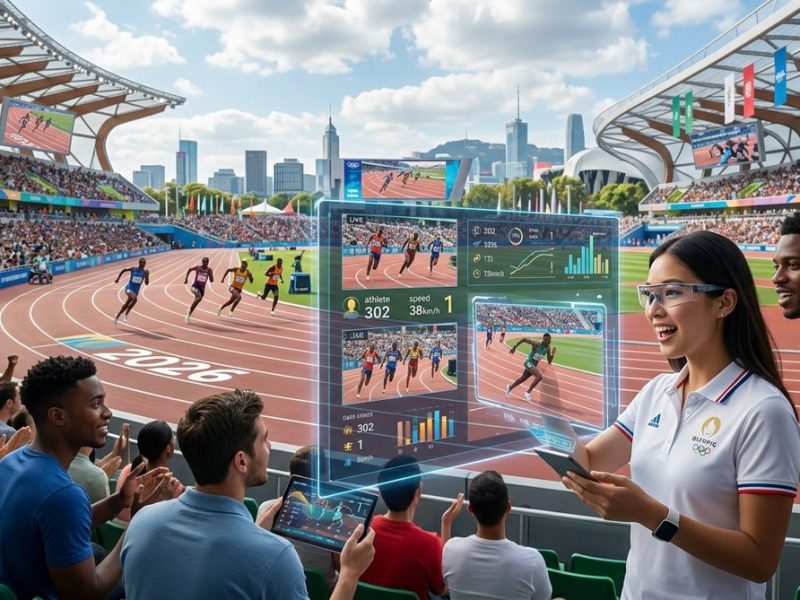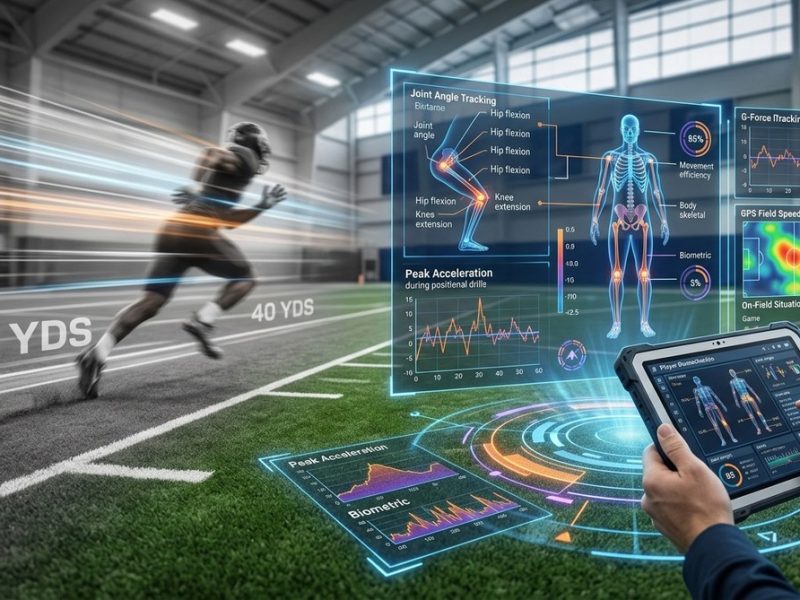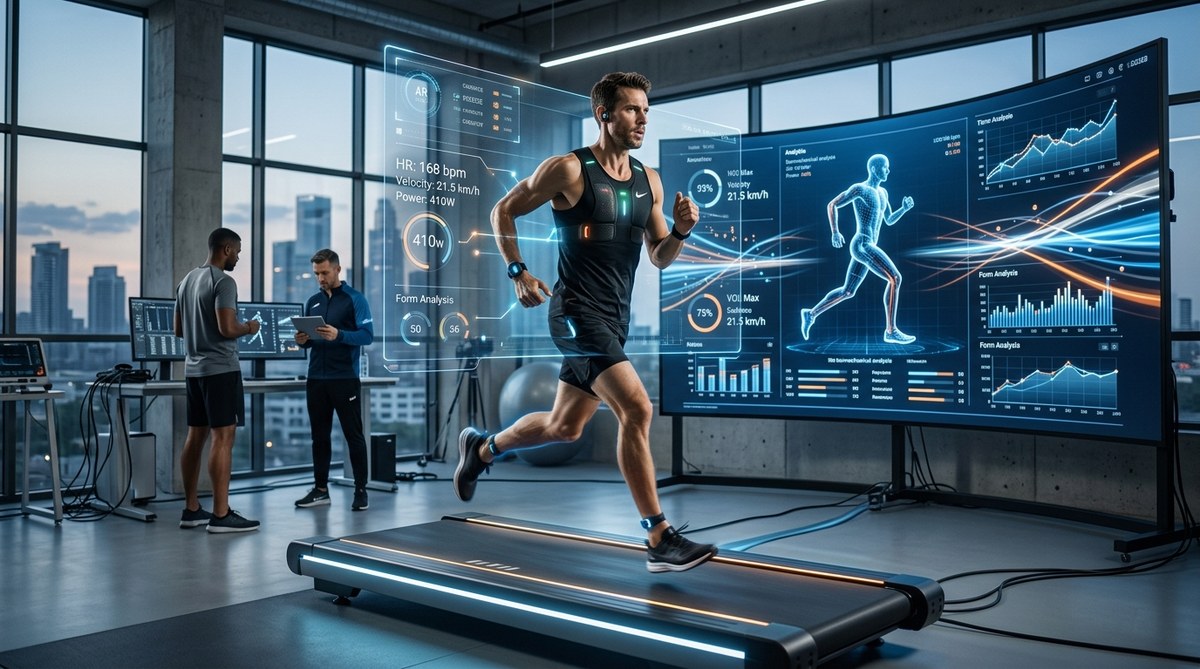
Athletes and coaches are witnessing a revolution in training methods thanks to the rapid advancement of technology. From wearable devices that track every move to artificial intelligence analyzing performance data, technology is reshaping how athletes prepare, recover, and excel. This shift is not just making training more efficient but also opening new doors for injury prevention, personalized coaching, and real-time feedback. Understanding these tools can give athletes a competitive edge and help coaches craft smarter training plans.
Technology in athlete training and performance is transforming sports by providing precise data, enhancing recovery, and enabling personalized coaching, leading to better results and fewer injuries.
How technology is redefining athlete training
The landscape of athlete training has shifted dramatically over the past decade. Advanced gadgets and algorithms now enable athletes to monitor their bodies in ways that were once impossible. Coaches can analyze performance metrics instantly and adjust training routines accordingly. This integration of tech promotes smarter, safer, and more targeted training methods that help athletes reach their full potential.
Top ways technology boosts athlete performance
Wearable devices for real-time monitoring
Wearables like GPS trackers, heart rate monitors, and motion sensors are now staples in elite sports. These tools collect continuous data during training and competition, providing insights into speed, endurance, and recovery needs. For example, professional runners wear GPS-enabled smartwatches that track their pace and distance, helping them optimize their training schedules.
Motion capture and biomechanical analysis
Using motion capture technology, athletes can see detailed 3D models of their movements. This technology highlights inefficiencies and improper form that could lead to injury. It is especially useful for athletes in sports like golf, tennis, and sprinting, where technique is crucial. Coaches use this data to fine-tune mechanics, reducing injury risk and increasing efficiency.
Virtual reality training scenarios
Virtual reality offers immersive environments where athletes can practice skills without physical strain or risk of injury. VR simulations help sports like football, basketball, and hockey refine decision-making and reaction times. For example, a basketball player can navigate game-like scenarios to improve situational awareness and mental focus.
Data analytics and artificial intelligence
AI-powered analytics sift through mountains of performance data to identify patterns and suggest improvements. Coaches can tailor training programs based on individual athlete profiles. AI also predicts injury risks by analyzing workload, fatigue levels, and biomechanics, allowing for preemptive adjustments.
Recovery technology speeding healing
Recovery tech like cryotherapy chambers, electrical muscle stimulation, and infrared saunas accelerate healing and reduce soreness. Athletes such as marathon runners and football players use these tools to get back on the field faster and maintain peak condition.
Practical steps for integrating technology into athlete training
- Identify your goals: Determine whether your focus is on improving speed, endurance, technique, or injury prevention.
- Choose the right tools: Select devices or software that align with your goals. For example, if injury prevention is key, motion analysis and AI risk assessments are valuable.
- Track progress consistently: Use wearables or apps to collect data during training and competitions.
- Analyze and adjust: Review performance insights regularly and modify routines accordingly.
- Prioritize recovery tech: Incorporate recovery tools into your routine to maintain longevity and prevent burnout.
- Stay updated: Technology evolves quickly; keep an eye on new innovations and emerging trends.
Common mistakes to avoid
| Technique | Mistake | Fix |
|---|---|---|
| Over-relying on data | Ignoring the athlete’s subjective feedback | Combine data with personal feelings for a balanced view |
| Using incompatible tech | Trying to integrate too many devices at once | Start with essential tools and expand gradually |
| Neglecting proper training | Focusing only on gadgets without coaching | Use technology as an aid, not a replacement for expert guidance |
| Ignoring data privacy | Sharing sensitive info without safeguards | Ensure platforms comply with privacy standards |
Expert insight
“Technology in athlete training is not about replacing human coaching but enhancing it. When used correctly, it provides a deeper understanding of performance and helps prevent injuries before they happen,” emphasizes sports scientist Dr. Lisa Martinez.
Building a smarter training routine
Incorporating technology into training routines involves more than just acquiring gadgets. It requires a strategic approach that aligns with individual goals. Athletes should:
- Set clear, measurable objectives for their training.
- Use data to identify strengths and weaknesses.
- Regularly review performance metrics with coaches or sports scientists.
- Adjust training plans based on insights gained from tech tools.
- Maintain a focus on holistic health, including nutrition and mental well-being.
The future of athlete training powered by innovation
Looking ahead, technology will become even more integrated into athletic routines. Advances in artificial intelligence, machine learning, and wearable tech promise to offer hyper-personalized training plans. Imagine smart clothing that adjusts compression in real-time or AI-driven virtual coaches providing instant feedback. These innovations will make training more precise, efficient, and safe.
Practical advice for athletes and coaches
- Stay curious about new tech developments.
- Invest in quality devices that offer accurate and actionable data.
- Combine tech insights with traditional coaching methods.
- Focus on consistent monitoring and incremental improvements.
- Remember that technology is a tool to support, not replace, human expertise.
Pushing the limits with technology in sports
Harnessing the power of technology opens up new possibilities for athletes to push their boundaries. Whether you’re a seasoned professional or a passionate hobbyist, integrating these tools can elevate your training. The key lies in understanding how each piece of tech can serve your unique needs and goals.
Final thoughts: embrace the change
Technology in athlete training and performance is here to stay. It offers a smarter way to train, recover, and compete. By staying informed and adopting the right tools, athletes can unlock their full potential while reducing injury risks. Start small, choose your tech wisely, and watch your performance soar with every session.
Remember, the path to excellence involves continuous learning and adaptation. Use technology as your ally, and you’ll find new levels of achievement await.