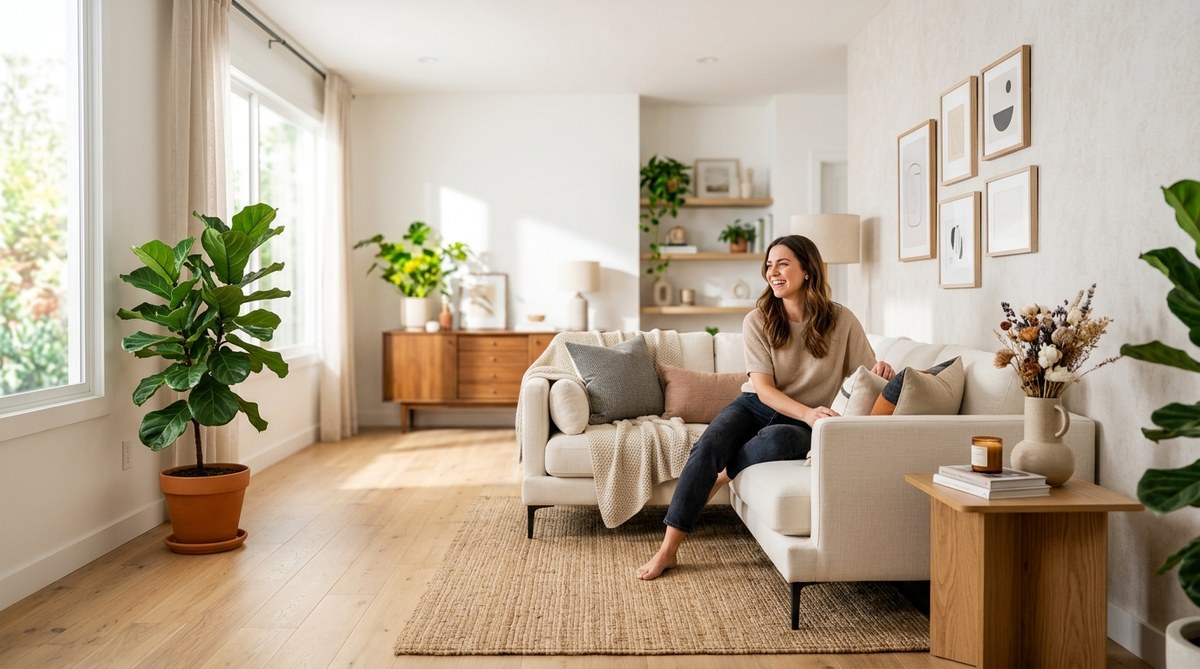
Transforming a compact living space into a cozy, functional haven can feel like a challenge. Limited square footage often means sacrificing style or comfort, but with the right interior design hacks, you can create a space that feels expansive and welcoming. Whether you’re a homeowner or renter, these practical tips will help you optimize every inch without sacrificing style or comfort. Let’s explore how small spaces can become your favorite part of the home.
Smart organization, strategic furniture choices, and clever use of color and light can transform small spaces. Focus on multifunctional pieces and visual tricks to make your home appear larger and more inviting without clutter.
Understanding the Unique Challenges of Small Spaces
Living in a small home or apartment requires a different approach to design. The goal is to maximize every square inch while maintaining a sense of openness. Clutter can quickly make a space feel cramped. Poor lighting can make rooms look smaller and darker. And choosing the right furniture can be tricky when room dimensions are limited.
The key is to think creatively. Small spaces benefit from techniques that create the illusion of more space while also making the area functional and stylish. From clever storage solutions to color choices, every decision counts.
Practical interior design hacks for small spaces
1. Use light and neutral colors to expand the room
Colors influence how we perceive space. Bright, light shades like whites, creams, pastels, and soft grays reflect more light and make a room feel larger. Dark colors absorb light and can make a space seem smaller.
Tips:
– Paint walls in soft hues to open up the room.
– Use light-colored furniture and accessories.
– Add mirrors to reflect light and create a sense of depth.
2. Incorporate multifunctional furniture
In small spaces, furniture that serves more than one purpose saves room and adds convenience. Think fold-away beds, extending dining tables, or storage ottomans. These pieces reduce clutter and make the space more adaptable.
Practical processes:
1. Measure your space carefully.
2. Prioritize furniture that combines functions, such as a sofa bed or a desk with storage.
3. Opt for pieces with hidden compartments or integrated shelving.
3. Maximize vertical space
Vertical storage makes use of height rather than floor area. Installing tall shelves, wall-mounted cabinets, or hanging hooks draws the eye upward and frees up precious floor space.
Ideas include:
– Floating shelves for books and decor.
– Over-the-door organizers.
– Tall, narrow bookcases.
4. Create the illusion of space with mirrors
Mirrors are a favorite trick for small spaces. They reflect light and make rooms appear bigger. Place large mirrors opposite windows or in hallways to amplify natural light and depth.
5. Declutter and organize smartly
Clutter is the enemy of small spaces. Regularly evaluate what you need and what can go. Use storage solutions that keep things out of sight but easily accessible.
Effective organization tips:
– Use baskets, bins, and drawer dividers.
– Store seasonal items elsewhere.
– Keep surfaces clear to maintain an airy feel.
6. Use rugs to define areas
In open-plan small spaces, rugs can delineate different zones like a living area, workspace, or dining spot. Choose appropriately sized rugs to avoid overwhelming the space.
7. Light up the room with layered lighting
Good lighting is essential. Use a mix of ambient, task, and accent lighting. Wall-mounted fixtures, table lamps, and string lights add warmth and depth.
“Lighting can dramatically change the perception of a space. Bright, layered lighting makes small rooms feel airy and inviting.” — Interior design expert
8. Hang curtains high and wide
Instead of mounting curtains close to the window frame, hang them higher and wider. This creates the appearance of larger windows and taller ceilings.
9. Keep window treatments simple and translucent
Opt for sheer curtains or blinds that let in maximum natural light. Avoid heavy drapes that block sunlight and make the room feel cramped.
10. Focus on simple decor and minimal accessories
Avoid overloading small rooms with decor. Select a few statement pieces to add personality without cluttering. Remember, less is more.
Common mistakes to avoid in small space design
| Technique | Mistake |
|---|---|
| Overloading with furniture | Blocking pathways and reducing open space |
| Using dark colors exclusively | Making the room feel smaller and enclosed |
| Blocking natural light with heavy curtains | Darkening the space and reducing brightness |
| Cluttering surfaces and corners | Creating visual chaos and reducing perceived space |
| Ignoring vertical space | Missing opportunities for additional storage or decor |
Expert Insight
“In small spaces, every detail matters. Focus on creating visual flow and choosing pieces that serve multiple roles. Remember, a well-organized room feels more spacious and calming.” — Interior designer Jane Smith
How to avoid common pitfalls
To truly make the most of tiny spaces, it’s important to think ahead. Measure your rooms carefully before purchasing furniture. Keep pathways clear. Use light colors and reflective surfaces. And always aim for a balance between function and aesthetics.
Small space design in action
Imagine transforming a tiny studio apartment by painting the walls in a light hue, installing tall shelves along one wall, and adding a fold-down bed. Use a mirror opposite the window to amplify natural light. Keep decor minimal but meaningful. The result? A room that feels bigger, brighter, and more inviting.
Final thoughts on making small spaces work
Small doesn’t have to mean cramped. With thoughtful planning and strategic choices, your living space can be both stylish and functional. Focus on maximizing natural light, using space-saving furniture, and maintaining a clutter-free environment. These simple yet effective hacks will help you create a home that feels spacious and welcoming.
Transform your small space into a sanctuary that reflects your personality and meets your needs. Small spaces can be a canvas for creativity—so get started today.
Remember: the key is to be intentional with every decision. Small spaces are all about smart tricks and minimal clutter. Start applying these strategies, and you’ll be surprised how much bigger and better your home can feel.