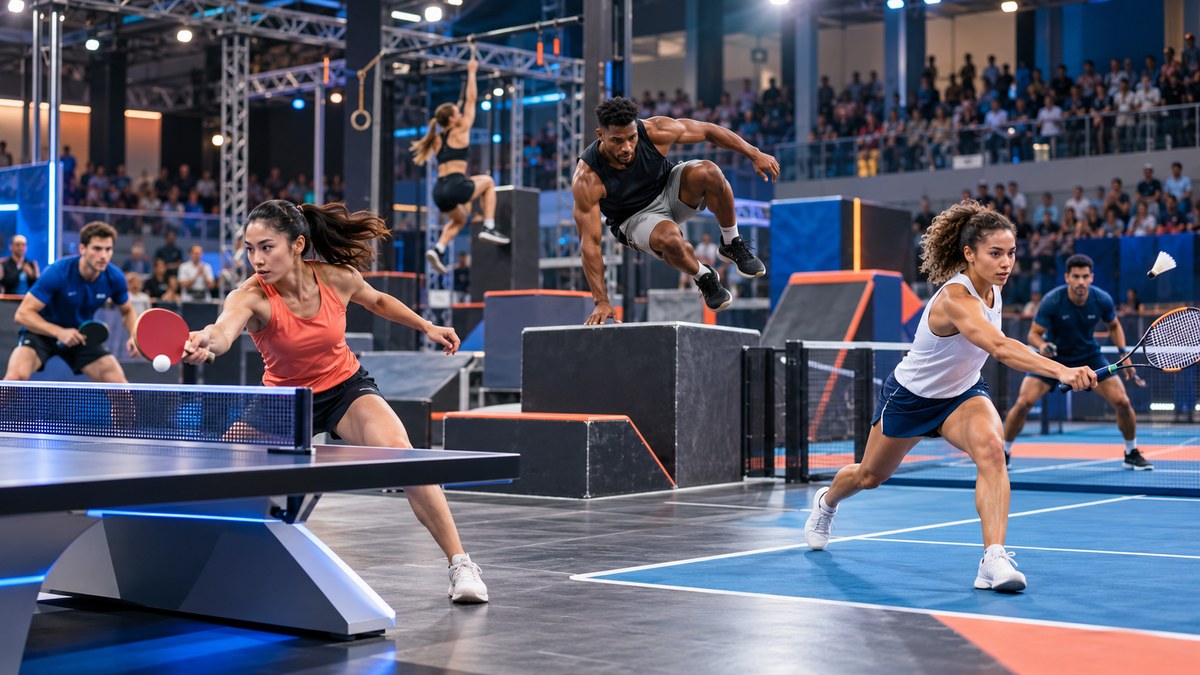
The sports world is splitting. On one side, you have the giants of the NFL, NBA, and MLB. On the other, a growing number of athletes and fans are turning to smaller, more specialized formats. These are micro sports, and they are changing the definition of competition. From pickleball tournaments selling out arenas to underground drone racing leagues drawing six figure viewership, the micro sports trend is no longer a fringe curiosity. It is a movement driven by accessibility, community, and the desire for something fresh. For industry analysts and early adopter athletes, this shift represents a massive opportunity.
Micro sports are niche, highly specialized athletic formats that prioritize skill, community, and accessibility over mainstream scale. In 2026, this trend is accelerating due to low barriers to entry, social media virality, and audience fatigue with traditional sports. For brands and athletes, micro sports offer a direct path to engaged, loyal audiences.
What Exactly Is a Micro Sport?
A micro sport is a competitive activity that operates outside the traditional major league structure. It often has a smaller participant base but a highly dedicated following. Think of sports like cornhole, competitive axe throwing, underwater hockey, or parkour. These are not minor leagues for baseball or football. They are standalone disciplines with their own rules, cultures, and stars.
The micro sports trend thrives on specificity. A sport like speedcubing (solving Rubik’s cubes for time) has a global community of thousands, yet most people have never watched a competition. That is changing. Streaming platforms and short form video have turned these niche activities into spectator events. A single viral clip of a world record solve can pull in millions of views overnight.
Why Micro Sports Are Growing in 2026
Several factors are fueling this shift. Understanding them helps explain why the micro sports trend is not a passing fad.
Lower barriers to entry. You do not need a $1,000 hockey stick or a gym membership to try disc golf. A starter set costs $20, and most courses are free. This accessibility invites a wider range of participants.
Authentic communities. Micro sports often build their culture around shared passion rather than corporate branding. Fans feel like insiders. They know the athletes by name and follow their journeys closely.
Digital native audiences. Many micro sports were born online. Competitive video editing (yes, that is a thing) or virtual cycling on platforms like Zwift started as digital hobbies. They translate naturally to streaming.
Fatigue with traditional sports. Long seasons, commercial breaks, and scandals have pushed some fans to look elsewhere. Micro sports offer a cleaner, more focused product.
“The audience for micro sports is not a smaller version of the NFL audience. It is a different audience entirely. They value participation, learning, and direct connection over passive consumption.” – Dr. Elena Marks, Sports Culture Researcher at NYU
The Key Drivers of the Micro Sports Trend
If you are tracking this space, watch these five drivers.
- Social media algorithms. Platforms like TikTok and Instagram reward niche content. A channel dedicated to competitive yo-yo can find its audience faster than a general sports channel.
- Low production costs. A micro sport event can be filmed with a few phones and streamed live. This removes the need for TV deals.
- Celebrity crossover. When a mainstream athlete like LeBron James tries a micro sport (he is an avid cornhole player), it brings visibility.
- Gamification. Apps that track performance and rank players globally turn solo practice into a social competition.
- Inclusive culture. Many micro sports actively welcome beginners. There is less gatekeeping than in traditional athletics.
How to Evaluate a Micro Sport for Investment or Participation
Not every micro sport will break through. Use this framework to assess potential.
| Criteria | Strong Signal | Weak Signal |
|---|---|---|
| Community growth rate | Monthly meetups growing 20% year over year | Same 50 people for five years |
| Media friendliness | Easy to film, clear winners, short matches | Long, confusing rules, poor visibility |
| Equipment cost | Low or no barrier to try | Requires expensive, custom gear |
| Online engagement | Dedicated subreddits, active Discord servers | No digital presence |
| Scalability | Can be played anywhere, adaptable rules | Requires specific venue or climate |
The Process: How to Get Involved in the Micro Sports Trend
If you are an athlete or an investor, here is a simple path forward.
- Pick one micro sport to follow. Do not try to track twenty at once. Choose something that genuinely interests you, whether it is competitive climbing, kettlebell sport, or footbag net.
- Join the online community. Find the subreddit, the Discord, or the Facebook group. Lurk for a week. Learn the slang and the key figures.
- Attend a local event. Most micro sports have open tournaments or casual meetups. Go watch. Talk to participants. Ask what they love about it.
- Try it yourself. You cannot understand the appeal until you attempt the skill. The learning curve is often part of the fun.
- Create content about it. Whether you are a journalist, a coach, or a brand, share your experience. The micro sports trend needs storytellers to grow.
For a broader look at what is catching fire, check out our list of top 10 emerging sports trends you need to watch in 2026. Many of them fall squarely into the micro sport category.
Common Misconceptions About Micro Sports
Let us clear up a few myths.
- “Micro sports are just hobbies.” Not anymore. Professional leagues exist for everything from competitive eating to fingerboarding. Prize pools are growing.
- “They are not real athletics.” Try a session of underwater hockey or competitive obstacle course racing. You will change your mind. The physical demands are real.
- “They will never be mainstream.” Pickleball was considered a retirement activity ten years ago. Today, it has professional tours and dedicated facilities. Mainstream is relative.
- “You cannot make money from them.” Sponsorships, merchandise, and media rights are already flowing into micro sports. Early movers are building sustainable careers.
The Role of Technology in Scaling Micro Sports
Technology is the engine behind the micro sports trend. Without it, these activities would remain local curiosities.
Wearables and sensors allow athletes to track and share performance data. This turns a solo workout into a global competition. For instance, how technology is revolutionizing athlete training and performance applies directly to micro sports. A slackliner can now measure wobble frequency. A juggler can track catch accuracy. These metrics create new ways to compete.
Streaming platforms remove geographic barriers. A competitive eater in Japan can compete against a rival in Texas in real time. The audience watches from anywhere. This global reach is what allows micro sports to build scale without needing a stadium.
Virtual and augmented reality are also opening new doors. Imagine a micro sport where players compete in a hybrid physical digital space. That is already happening with drone racing and mixed reality fighting leagues. The line between esports and physical sports continues to blur. You can read more about that crossover in our piece on the rise of virtual sports and esports.
How to Spot a Micro Sport Before It Explodes
Timing is everything. Here are the signs that a micro sport is about to break out.
- Sudden spike in online searches. Use Google Trends. If a sport like “pickleball” or “disc golf” jumps 300% in a quarter, pay attention.
- Celebrity or influencer adoption. When a major figure posts about it, the audience follows.
- Infrastructure investment. Look for dedicated facilities being built. A new axe throwing lounge or padel court complex signals investor confidence.
- Media coverage. When local news or niche podcasts start covering a sport regularly, it is entering the mainstream conversation.
- Youth participation. If kids are picking it up in schools or parks, it has long term staying power.
For athletes looking to get ahead of the curve, consider how to choose the right sport for your fitness goals in 2026. The right micro sport might match your skills better than any traditional option.
The Risks and Challenges
The micro sports trend is not without pitfalls.
Lack of standardization. Rules can vary between clubs or regions. This makes national competition difficult.
Short lived hype. Some micro sports burn bright and fade fast. Remember fidget spinner competitions? They had a moment.
Injury risk in unregulated spaces. Without governing bodies, safety standards can be inconsistent. Participants should do their own research.
Monetization struggles. While some athletes earn well, many micro sports do not yet pay a living wage. The economics are still developing.
What This Means for the Future of Athletics
The micro sports trend signals a fundamental shift in how we define sport. It is moving from a model of mass consumption to one of mass participation and niche connection. In 2026, the most exciting athletic moments might not happen in a 50,000 seat stadium. They might happen in a backyard, a warehouse, or a living room streamed to a thousand passionate fans.
For sports industry analysts, this is a call to watch the edges. The next billion dollar property might not look like a traditional sport at all. It might be something small, weird, and deeply loved.
For athletes, the message is clear. You do not need a major league to go pro. You need a community, a skill, and a way to share it. If you are curious about building a career in this space, our guide on mental resilience training is the new frontier in athletic performance offers a solid foundation for the mindset required to succeed outside the mainstream.
Your Next Move in the Micro Sports Trend
The best way to understand this shift is to participate. Pick one micro sport. Try it this week. Attend a local event. Talk to the people there. You will see the passion firsthand. You will feel the difference between watching a sport and being part of its growth. The micro sports trend is not something to observe from a distance. It is something to join. Start small, stay curious, and see where the community takes you.