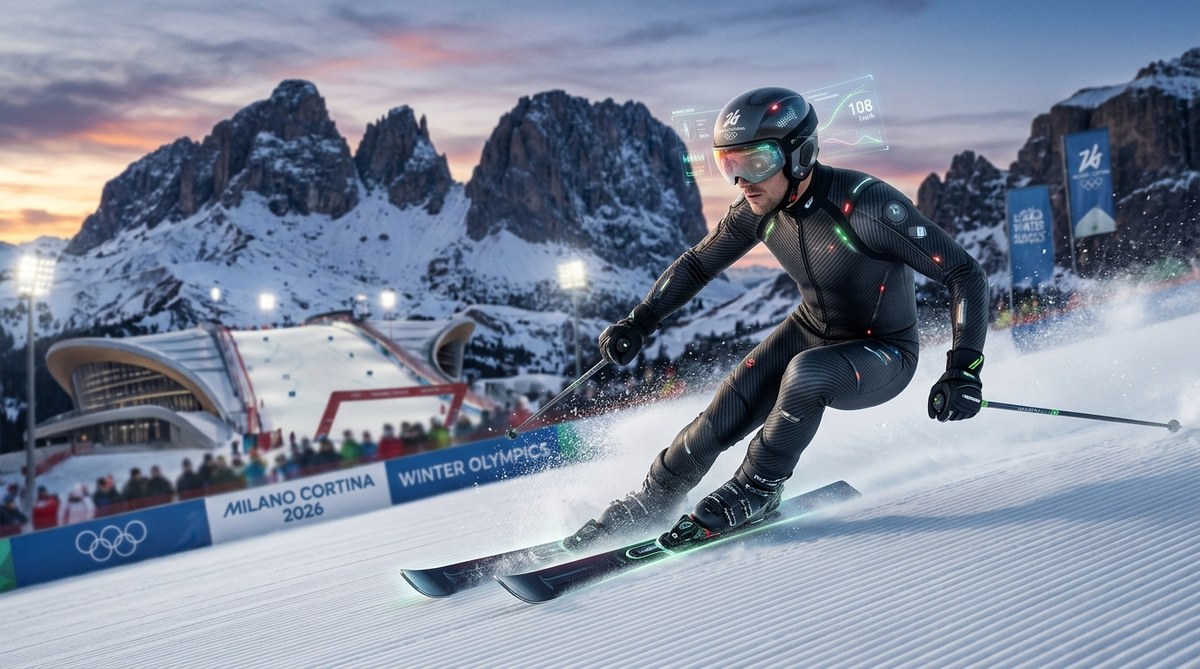
The Milano Cortina 2026 Winter Olympics are not just a celebration of athleticism. They are a live laboratory for the most advanced snow sports technology ever deployed. From the slopes of Bormio to the sliding tracks of Cortina d’Ampezzo, the games will showcase innovations that could reshape how we train, compete, and even watch winter sports for decades. If you care about where sports tech is heading, this is the moment to pay attention.
The 2026 Winter Olympics will introduce game-changing tech in three main areas: AI-powered coaching tools that give real-time feedback, sustainable snowmaking systems that fight climate change, and smart equipment like heated suits and carbon-fiber skis. These innovations will not only boost athlete performance but also set new standards for eco-friendly winter sports events.
Smart Snow and Sustainable Slopes
The biggest challenge for any Winter Olympics in the 2020s is climate change. Warmer temperatures and unpredictable snowfall threaten traditional venues. For 2026, organizers have turned to a new generation of snowmaking technology that is both smarter and greener.
Gone are the days of blasting water into the air and hoping for the best. The new systems use weather sensors and AI to predict the perfect snowmaking window. They adjust water pressure and nozzle angles automatically to create the ideal snow crystal for each specific event. A mogul skier needs a different snow density than a downhill racer. These systems deliver that precision.
The environmental impact is also much lower. The 2026 games will use 100 percent renewable energy for all snow production. The water recycling rate has been improved to over 95 percent, meaning almost every drop of melted snow is captured and reused. This is a major step forward for an event that has faced criticism for its water and energy consumption in the past.
For a deeper look at how climate is shifting the entire sports calendar, check out our article on 5 surprising ways climate change is reshaping outdoor sports seasons in 2026.
The Data Driven Athlete
Wearable technology has been around for a while, but the 2026 games will push it to a new level. Athletes will wear smart suits embedded with dozens of sensors that track everything from heart rate to muscle oxygenation to core temperature. This data streams to a coach’s tablet in real time.
Imagine a ski jumper in the air. A coach watching from the ground can see exactly how the athlete’s body position is affecting lift and drag, second by second. They can call out adjustments before the next jump. That kind of instant feedback was impossible just four years ago.
Here are three practical ways this tech changes training:
- Real time form correction. Sensors detect when a skier’s weight shifts too far forward or backward. The system sends a subtle vibration to the suit, alerting the athlete to adjust.
- Injury prevention monitoring. If the data shows unusual strain on a particular joint, the coach can pull the athlete for rest before a minor imbalance becomes a season ending injury.
- Recovery optimization. After a run, the system analyzes how quickly the athlete’s heart rate returns to baseline. That number helps determine how much rest is needed before the next attempt.
This is a natural extension of the trend we covered in how technology is revolutionizing athlete training and performance.
Suiting Up for Speed
Equipment is getting a major upgrade too. The most visible change is in the ski suits themselves. For 2026, manufacturers have developed fabrics that actively manage heat. If an athlete is getting too warm during a run, the fabric opens microscopic vents. If they are cold, the vents close and a thin layer of insulation activates.
This is not science fiction. It is a textile technology called phase change material, and it has been refined specifically for the Olympics. The suits also use a new aerodynamic texture that reduces drag by an estimated 3 percent compared to the suits worn in Beijing 2022. In a sport where hundredths of a second separate gold from silver, that is a massive edge.
Ski and snowboard construction has also evolved. Carbon fiber layups are now customized using 3D scans of each athlete’s stance and weight distribution. The result is a pair of skis that flex exactly where the athlete needs them to, providing better control at high speeds.
For more on the latest gear, read our guide on 5 game-changing innovations in sports equipment you need to know for 2026.
A New Way to Watch
The technology is not just for the athletes. The viewing experience will be transformed too. The 2026 games will feature a new camera system that uses dozens of drones and fixed cameras to create a 360 degree replay. You will be able to pause a downhill run and rotate the view around the skier, seeing the slope from any angle you choose.
This is made possible by a technique called volumetric capture. Multiple cameras record the same moment from different angles. Software then stitches those images into a single 3D model of the action. You can watch from above, from the side, or even from the skier’s own point of view.
The system also works for live broadcasts. Directors can switch between drone shots, helmet cams, and fixed cameras seamlessly, giving viewers a richer sense of the speed and danger of the sport.
Here is a breakdown of the key camera technologies being used:
| Technology | Purpose | Benefit |
|---|---|---|
| Drone swarm | Aerial tracking shots | Smooth, wide angle coverage of long runs |
| Helmet cams | First person perspective | Immersive feel of speed and terrain |
| Volumetric capture | 360 degree replays | Total control over viewing angle |
| AI enhanced stabilization | Removes shake from handheld shots | Clean, professional footage in rough conditions |
Artificial Snow and the Future of Winter Sports
Let’s address the elephant in the room. Artificial snow has a reputation for being inferior to natural powder. That reputation is outdated. Modern artificial snow is produced using nucleators that mimic the natural ice crystal structure. The result is a surface that is more consistent and often more durable than natural snow.
For the 2026 Olympics, this is critical. The venues need to guarantee perfect conditions for every event, regardless of what the weather does. The artificial snow used in Milano Cortina will be the most advanced ever created. It is designed to resist melting at higher temperatures and to hold up better under the stress of repeated runs.
“The snow we are producing for 2026 is not a substitute for natural snow. It is an engineered surface that performs better for competition. It is like the difference between a dirt road and a racetrack.” – Dr. Elena Rossi, lead snow scientist for Milano Cortina 2026
This innovation has implications beyond the Olympics. Resorts around the world are watching closely. If the technology proves reliable and cost effective, it could help smaller ski areas survive warmer winters. It could also extend the ski season in places that currently rely on natural snow.
For a broader view of how climate change is affecting winter sports, see our piece on 5 unexpected ways climate change is redefining the 2026 sports calendar.
What This Means for You
You might not be an Olympic athlete, but the technology debuting in 2026 will trickle down to the consumer market within a few years. The smart fabrics used in competition suits will appear in high end ski jackets. The AI coaching tools will become apps you can use on your phone. The snowmaking technology will help your local ski resort stay open longer.
Keep an eye on these developments. The 2026 Winter Olympics snow sports technology is not just about winning medals. It is about proving what is possible when engineering, data science, and athletic passion come together. Whether you are a weekend skier or a tech investor, the lessons from these games will influence winter sports for a long time.
Looking Ahead to a Cooler Future
The 2026 Winter Olympics will be remembered for many things. The athletes. The drama. The setting. But for those of us who love the intersection of sports and technology, it will be remembered as the games where innovation finally caught up with ambition. The snow is smarter. The suits are alive with data. The cameras let you see everything.
This is not a one time event. The systems being tested in Italy will set the template for every Winter Olympics that follows. They will also influence how we train, how we watch, and how we enjoy winter sports in our own lives. So grab your gear, settle in for February 2026, and watch closely. The future of snow sports is arriving faster than you think. And if you want to stay ahead of the curve, check out our list of top 10 emerging sports trends you need to watch in 2026.